

How I Overcame the Fear of Public Speaking (An Introvert’s Guide)
This is a Premium Article
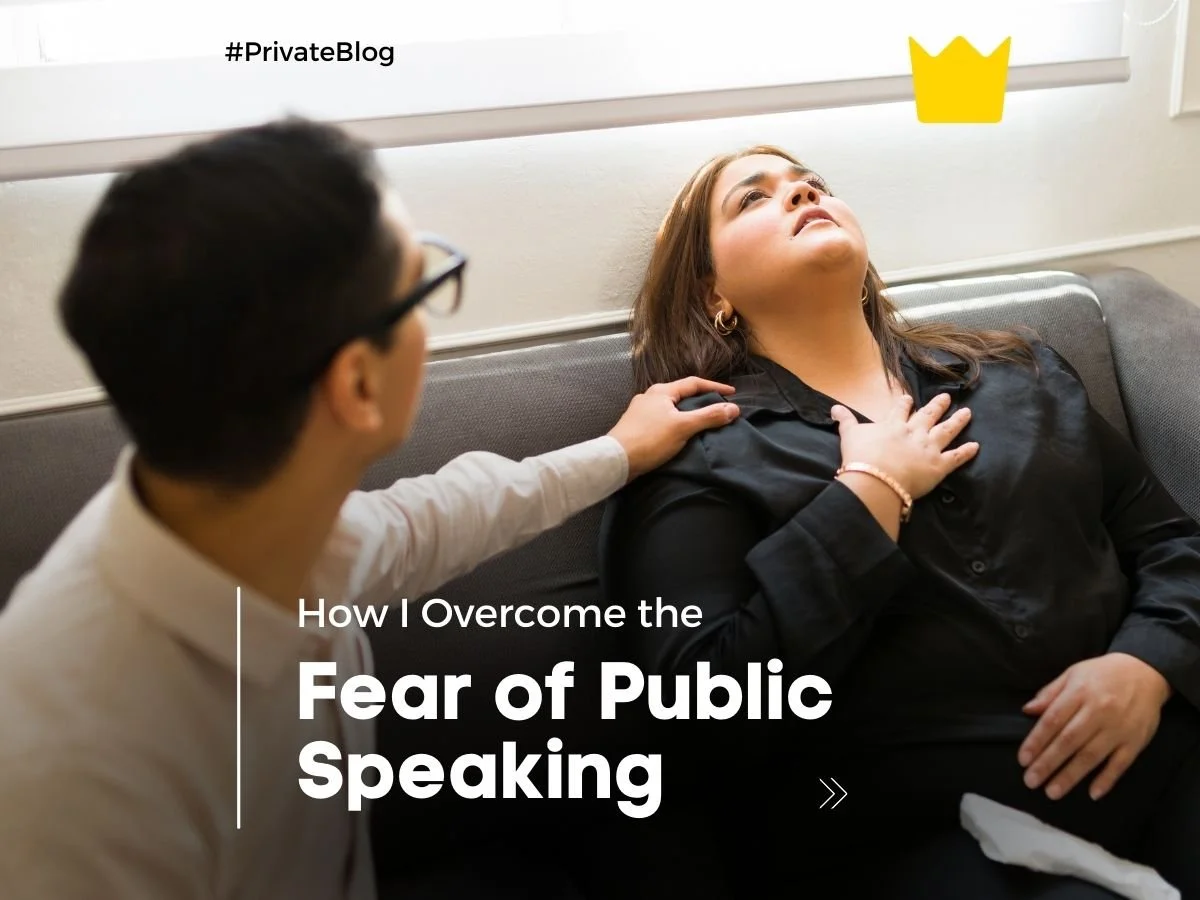
There’s no one-size-fits-all tip to help anyone suddenly become good at public speaking. That’s because we’re all very different, even though we seem similar - especially introverts.
You’d have to acknowledge the person’s disposition, charisma, and several other things.
But indeed, some things can help.
I’m an extreme introvert, and when I say extreme, I mean it. I’ve known people who tell me they don’t know what my voice sounds like because I’m mostly silent.
I only speak when it’s necessary. And sometimes, even when it’s necessary, I still stay silent and find my way around it.
But here’s the ironic thing. anytime I speak in public, people are always wowed. Some are even shocked, wondering how I can be so quiet and eloquent at the same time.
Well, here’s how it started.
I dispelled the stereotypes:
Anytime someone tells me I can’t do something because of my personality type, I start to question it. If at all I can’t do something, it’s because I’ve chosen not to try. For many years, the notion of being bad at public speaking because I was quiet, crippled me.
Truthfully, introverts have a tendency to retreat into the backgrounds, but it doesn’t eliminate our voices. However, I couldn’t help but think otherwise.
I remember always searching for tips on public speaking, and thinking how unachievable they were. Even after seeing and hearing of several other introverts who excel at public speaking, I’d think to myself, “That could never be me!”
Funny enough, the universe had a way of correcting my beliefs. I happened to find myself in unplanned situations where I had to address a crowd, and this leads to my next point.
2. Prepare Prepare Prepare! :
Even though it was difficult to completely erase the perceptions I had about myself and my personality, my experiences taught me better.
You’ll never know how good you are at something, until you actually do it.
And hey, it’s okay to fail, because failure is part of the learning process.
Each time I was faced with the challenge of speaking in public, my mind would go blank. It was then that I realized my weaknesses, and came up with a strategy to counter the problem.
And that strategy was preparation.
I would rehearse everything I needed to say—word for word—and deliver it exactly as I had planned. It wasn’t the brightest plan at that time, but it was what I needed to save me from the embarrassment of blanking out.
Over time, I got petty good at it —cramming, of course. and the more I got good, the more my charisma in front of people improved. I could slowly acknowledge that the myth of introverts not being able to speak in public wasn’t true.
Truly, there were downsides, especially as an overthinking introvert. I would spend the rest of the day analyzing everything I had said and contemplating if I made a good impression.
There’s there’s also something called introvert hangover, which can be a menace every time you exceed your normal socializing limits.
With time, my confidence grew and I began to care less what others thought of me—both the compiments and critics. Because if you rely too much on getting compliments after speaking in front of others, you’re going to have a serious confidence-crash when you don’t receive any.
To avoid this, I would replay clips of me speaking and make my own judgements to further improve.
3. Leverage your natural talents:
We introverts tend to have a creative advantage over others because of our introspective natures. Interestingly, I discovered how to use this to my advantage.
My natural talent is writing, and I tend to pretty good at it. I realized that I could use this skill each time I needed to speak in front of others. This is why I would write a very good script that I would pour out to others with spoken words. Not the best tactic, but it worked for me.
It was only recently that I found out that some of the best writers are indeed excellent speakers. Logically, if you can communicate greatly on paper, you’ll find it easy communicating with people. Even though it may not apply for everyone, who writes, I found a way to connect the dots, which you can do too.
As long as you’re introspective, you’re already a good communicator, even if you’re just communicating with yourself. More so, introverts are mostly immersed in their passions and hobbies. We communicate with the world (quietly) through the things we love.
If you can connect the dot between what you love and communicating with people publicly, you’ll find it to be more easier than you thought.
For example, an artist may not find it hard to socialize when it involves their most loved project. If this artist further finds a way to tie it into the seemingly unbearable task of speaking in public, it just might be more pleasant than they thought.
Final Thoughts
Remember there’s no one-size-fits-all advice on how to suddenly become good at public speaking. But, you’ll never know, until you try. You can take some pointers from my story, and put yourself to the test. Don’t forget to share your experiences, and if you need some encouragement, the comment section is always open. Cheers!
Live Your Best Quiet Life
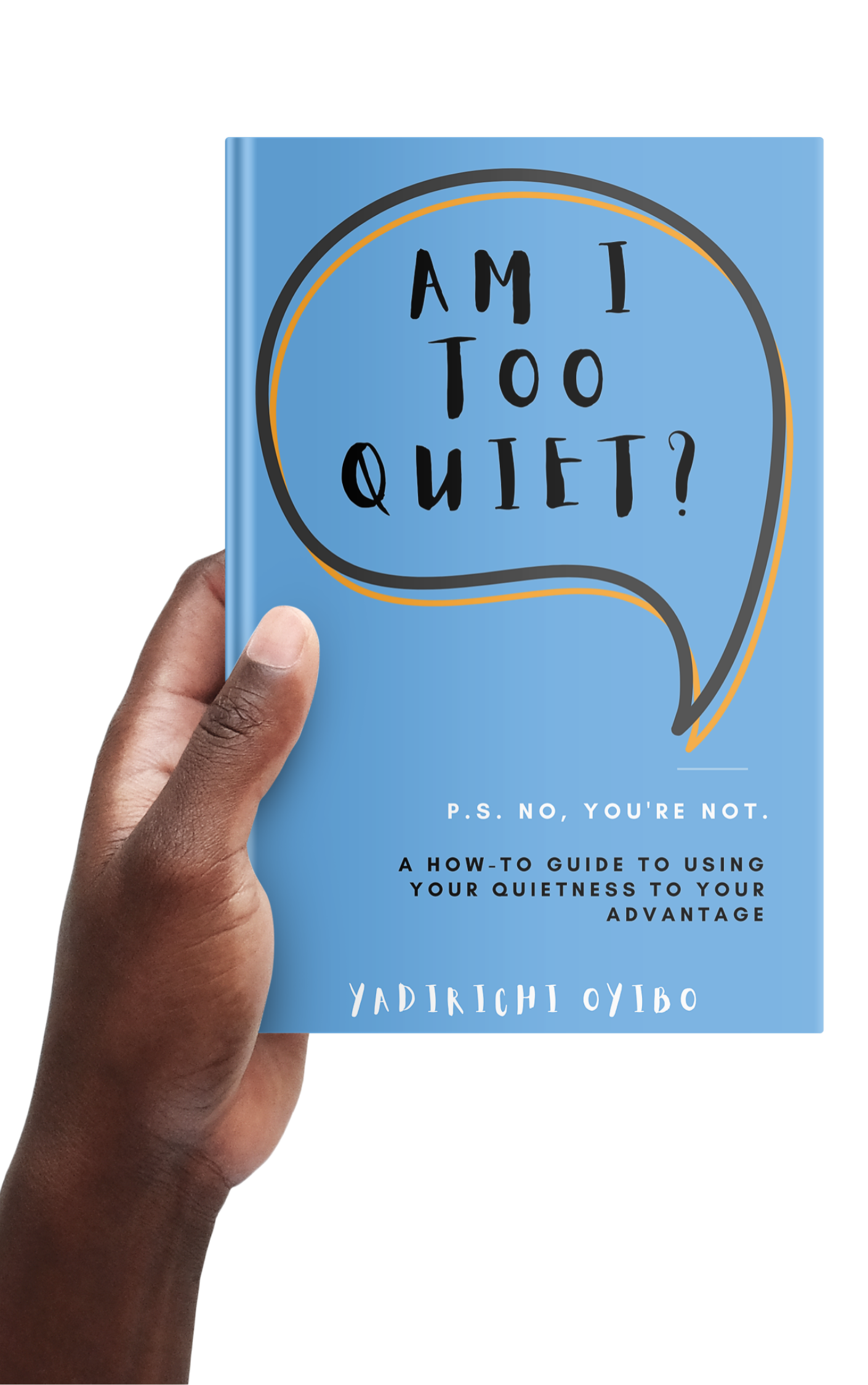
Get the Am I Too Quiet? book →
You Might Also Like


See more →





If you are searching for how to calm down, remember that you need to take one gentle step or one calm thing to help you feel safer and more grounded at that moment.