

Social Media is Too Social for Me: Lies I Believed as an Introvert
This is a Premium Article
Have you ever felt like social media was too much for you? As an introvert, I sure have. I used to believe that social media was a way to feel extroverted, outgoing, and the always-on-the-go, all from the comfort of your phone.
But over time, I've come to realize that those were just lies I believed as an introvert.
People were constantly posting pictures and sharing their lives online, and it made me feel like I was missing out on something.
In this article, I want to share some of those lies and how I overcame them, in hope that it might help other introverts out there.
The Allure of Social Media
Social media has become a big part of our lives, especially for introverts who find social situations challenging.
70% of adults in the US use social media to connect with others, and this number is even higher for younger adults.
Social media provides a comfortable and controlled environment where they can communicate and connect with others at their own pace. It's a place where introverts can express themselves without the pressure of face-to-face interactions.
Social media also provides an opportunity for introverts to connect with people from all over the world, expanding their social horizons beyond their immediate geographic location.
A study by Pew Research Center found that introverts use social media to form and maintain relationships because it allows them to engage in social interactions on their own terms.
This is especially beneficial for introverts who may feel disconnected or isolated in their local communities. It is also particularly helpful for introverts who may feel anxious or have a limited social circle.
This is what is called, the allure of social media. But not all that glitters is gold, and we’re about to get into that.
The Illusion of Connection
Sometimes, people who are shy, or prefer to be alone, find social media helpful because they can interact with others in a more controlled way.
However, social media can also make people feel lonely and unsatisfied because it can give the impression that they are connected to others when they really aren’t.
A survey by the American Psychological Association found that 20% of American adults feel lonely or socially isolated as a result of social media use, and this number is even higher for introverts.
Social media often shows a version of reality that is not real.
People choose carefully what they show on social media, so it can seem like their lives are perfect even when they are not. This can make anyone feel like they are missing out on something, even though they might not be.
The Dark Side of Popular Social Media Platforms:
1. WhatsApp:
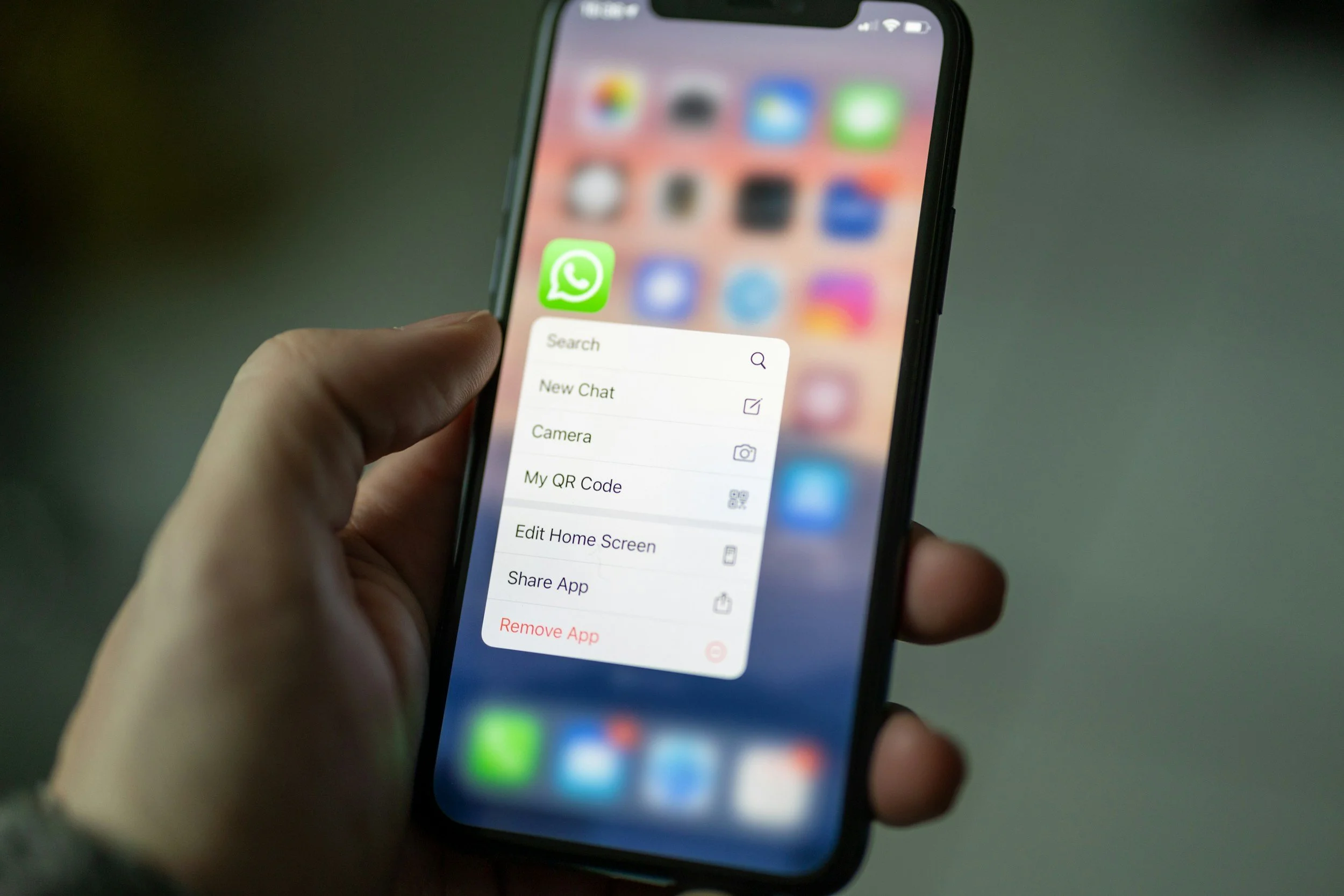
Have you ever felt overwhelmed by the constant notifications and messages flooding your WhatsApp? While it is a great app for private messaging in general, the introduction of WhatsApp groups in 2011 and Statuses in 2017 has created an entirely different dynamic.
With groups, it's easy to get lost in the crowd and lose touch with genuine connections. You might find yourself in a group with people you barely know or have nothing in common with, and suddenly, your phone is buzzing with messages all day long. Personally, after joining WhatsApp groups, I lost touch with many people I used to have private chats with.
Then there are statuses, which can feel like a never-ending stream of updates from everyone on your contact list. It's tempting to keep checking in, but it can also leave you feeling like you're missing out on something.
And well, it’s common knowledge that the new CEO of Whatsapp was probably trying to replicate Snapchat's app, which blew up at that time for instant updates. And before you know it, every other app now had that feature.
It's important to remember that while technology has made it easier to stay connected, it's not always the same as having a meaningful conversation with someone.
2. Instagram:
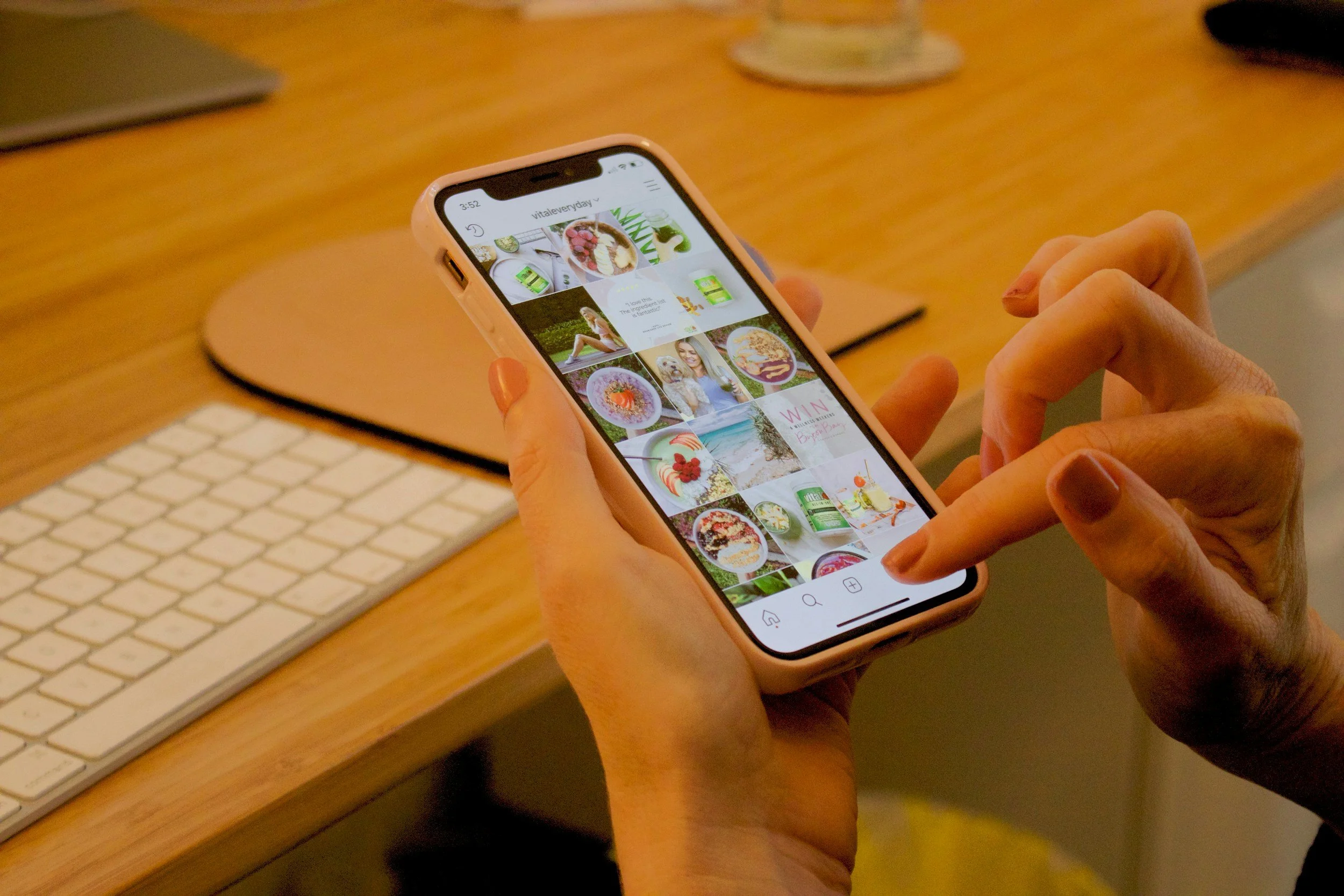
A study by the Royal Society for Public Health in the UK found that social media platforms like Instagram and Snapchat can have negative effects on mental health, including increased anxiety and depression.
Instagram is a social media platform that can make us feel like we need to present a perfect life. It can be tough to resist the pressure to constantly share flawless photos and to get as many likes and comments as possible.
Filters and editing tools make it easy for us to tweak our photos until they look perfect. But this can be problematic, because it can create a false reality that is disconnected from our true selves and our genuine relationships.
Many people, including introverts, can feel like they don't measure up to the expectations set by the platform. They might feel like they need to constantly maintain a certain image, which can be exhausting and stressful.
Plus, the constant notifications and updates can make us feel like we always need to be connected to the platform, even when we'd rather be alone. This can lead to feelings of anxiety, dissatisfaction, and a lack of balance between our online and offline lives.
This yet again, is a problem when social media is supposed to be a form of escape, but is secretly trapping you to a life of comparison—trying to be more outgoing and sociable—something introverts like me and you, don’t need to be forced to do.
3. Facebook:
Facebook is a great social media platform that can be both helpful and hurtful for introverted people.
On one hand, it provides a space for introverts to connect with others, share their thoughts, and have meaningful conversations.
Facebook's privacy settings and the ability to interact with others on their own terms can be especially helpful to introverts who value control and independence in their social interactions.
But, Facebook can also create an illusion of connection where users feel connected to others without actually building deep and meaningful relationships.
According to a report by the Center for Humane Technology, social media platforms like Facebook are designed to be addictive, and they use techniques like infinite scrolling and notifications to keep users engaged for longer periods of time.
Constantly scrolling through updates can create a sense of obligation to stay connected with people you may not necessarily be close to. And let’s not forget how time-consuming it can be. And at the end of the day, you’re not quite sure why you’re experiencing a feeling of overwhelm and anxiety. It’s probably just your social media consumption.
4. TikTok:
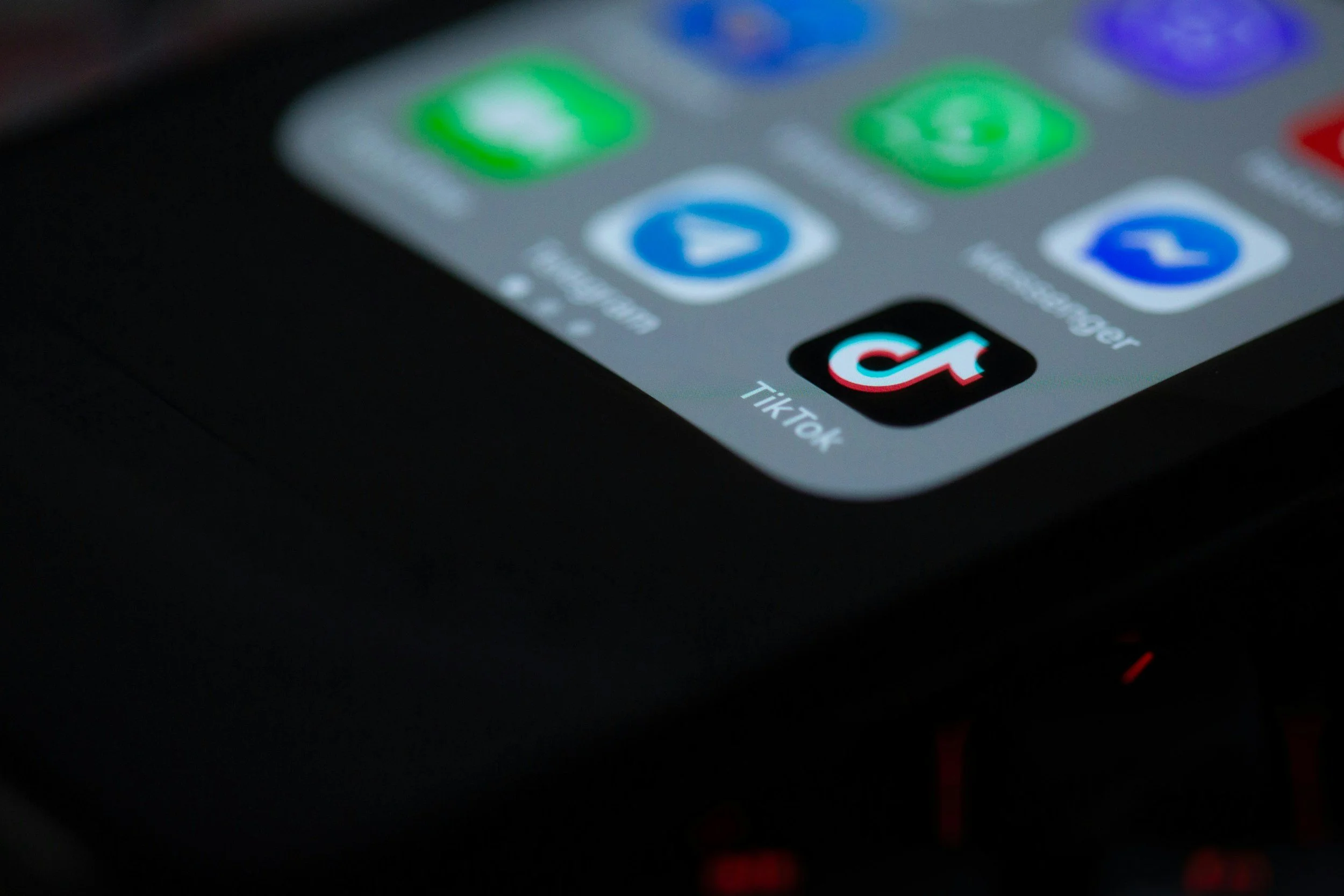
Last up is TikTok. TikTok is a popular app where people share short videos. Many introverts enjoy using it because it's fun and positive. But, spending too much time on TikTok can make you feel disconnected from the real world.
For introverts who struggle with making friends in real life, TikTok can make you feel like you have to put yourself out there. Or, that the person showing up on your screen is having a far better life than you. But that’s the problem. Relying too much on virtual connections can alter your perception of the real world, which is quite risky.
The Pressure to be Social
For those of us who prefer to keep to ourselves, social media can be a tricky place to navigate. There's a lot of pressure to be active and engaged on these platforms, and that can be tough for introverts who cherish their privacy and like to express themselves in their own way.
This pressure can take many forms—we might feel like we have to post frequently, or engage in video calls and live-streaming sessions, or share more personal information than we're comfortable with. All of this can be overwhelming and anxiety-inducing, especially if we're also trying to balance our online lives with our offline ones.
And then there's the expectation that we always have to be cheerful, upbeat, and positive on social media. This can feel pretty fake and draining for those of us who are more introspective or serious by nature.
You Might Be Wondering, Why Not Quit?
Well, the answer is not that simple.
In the offline world, there is pressure for introverts to fit in and be more social. Similarly, online platforms can impose the same pressure on introverts. It's easy to think that if you can't handle it, just quit social media.
However, it’s also necessary to highlight and educate others on how social media doesn't quite suit all personality types—instead of just running away and thinking you’re the problem.
Extroverts enjoy casual conversations, and social media aligns with their lifestyle. But introverts may feel like they're pretending to be more sociable than they are, which can lead to silent burnout or exhaustion.
Recognizing this will help you understand why you might feel overwhelmed or burnt-out whenever you pick up your phone. You'll also stop feeling guilty for not wanting to be on social media because it wasn't designed to cater to your introspective nature.
There is a theory called Social Compensation, which says that some people use the internet to make up for not being able to connect with others in person. For example, if you're an introvert or shy, you might find it easier to talk to people online than in real life. That's okay! But it’s necessary to acknowledge how it can also affect you, which leads to my next point.
How Social Media Might be Affecting You
A study by the University of Pittsburgh School of Medicine found that young adults who use social media for more than two hours a day are more likely to experience symptoms of depression and anxiety.
If you're an introvert, you may find yourself drawn to social media as a way to connect with others. But, spending a lot of time on these platforms can have a negative impact on your mental health. These are some other ways social media can affect you as an introvert:
1. Social Comparison:
As mentioned before, social media is full of pictures and stories that make people's lives seem perfect, which can make you feel inadequate.
This is especially hard for introverts, who may already find it challenging to form and maintain relationships in real life.
Seeing others' seemingly perfect lives can make you feel like you're not living up to the expectations of society, which can lead to low self-esteem and self-doubt.
2. Anxiety and Stress:
Social media can create a sense of pressure to be social and to present a perfect image of yourself. This can make you feel overwhelmed and stressed out.
You might feel like you're not living up to the expectations of others, or that you're not as friendly popular as other people. This pressure can lead to burnout and make you feel disconnected from your true self.
3. Lack of Authenticity:
Social media can also make it hard to be yourself. You might feel like you need to present a certain image or conform to societal norms of positivity and superficiality.
This can be particularly difficult for introverts, who prefer to communicate in more thoughtful and controlled ways.
4. Decreased Attention Span:
Social media is designed to be addictive, which can make it hard to focus on other things. You might find yourself checking your phone constantly, even when you're supposed to be doing something else.
This inevitably leads to a decrease in attention span and makes it hard to focus on more meaningful activities.
5. Loneliness and Isolation:
While social media can offer a sense of connection, it can also make you feel more isolated. Spending too much time on social media can make you feel like you're missing out on real-life interactions with friends and family. This can lead to feelings of loneliness and make it harder to form meaningful connections with others in real life.
Social Media for Introverts: How to Connect with the World on Your Own Terms
Using social media can be overwhelming, especially if you're someone who prefers quietness. But don't worry, there are ways you can use social media without feeling like you're sacrificing your well-being or authenticity.
Firstly, choose the social media platforms that resonate with you and where you can communicate comfortably. You don't have to share everything online, and it's okay to keep some things private. Try to connect with people who share your interests and values. This can help you build strong, authentic connections with others.
It's also important to set boundaries and prioritize your well-being. This means that you should limit the amount of time you spend on social media and take breaks when you need to. Remember that social media is just one part of your life, and it shouldn't take over everything else.
If you're an introvert, it's okay to struggle with social media. You can always take breaks, set boundaries, and express yourself in your own way. Don't feel like you have to conform to anyone else's standards of what social media should be like. Just be yourself, and let your unique voice shine through.
So take your time, find what works best, and don't be afraid to take a break whenever you need it.
Conclusion
At the end of the day, social media is a tool that can be used to connect with others, but it's important to remember that it's not a substitute for genuine human interaction. As introverts, we might feel like social media is the answer to our prayers, but it's only a temporary solution.
We never know what someone is really going through, despite what they portray on social media. So, it's important to stay true to ourselves, our values, and our unique personalities.
Instead of trying to fit into someone else's mold, we should embrace our introverted qualities and use them to our advantage. We can find meaningful connections that suit our individual needs and preferences, whether that's through social media or in real life.
Live Your Best Quiet Life
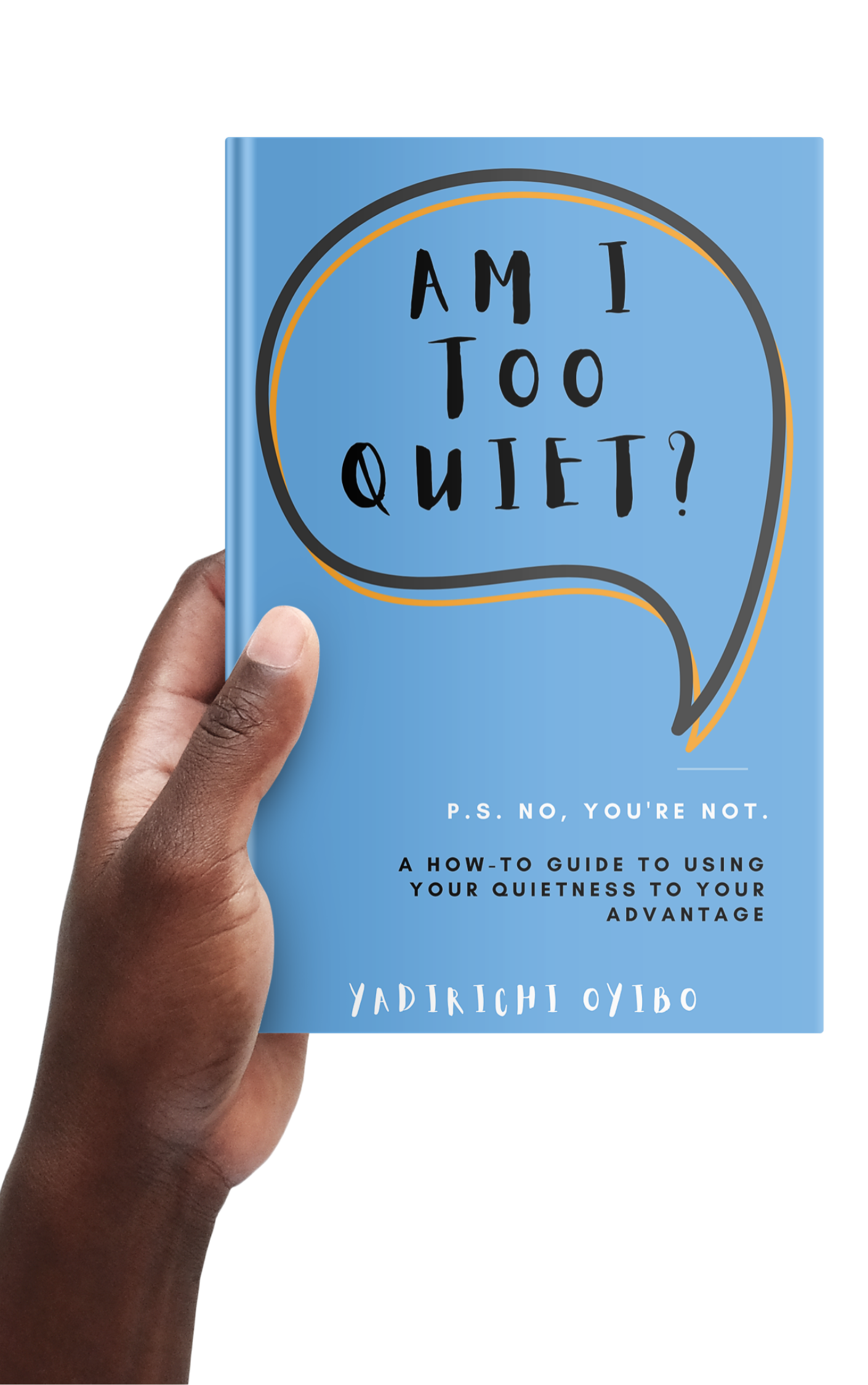
Get the Am I Too Quiet? book →
You Might Also Like

See more →




If you are searching for how to calm down, remember that you need to take one gentle step or one calm thing to help you feel safer and more grounded at that moment.